







Our history
Discover how we came to be, from the opening of the Colonial Museum in 1865 to Te Papa today.
Free museum entry for New Zealanders and people living in New Zealand
Open every day 10am-6pm
(except Christmas Day)
Free museum entry for New Zealanders and people living in New Zealand
Founded in Thorndon in 1865 by Sir James Hector, the Colonial Museum was Te Papa’s predecessor. Discover its early stories and people, and how past collecting practices continue to shape – and sometimes hinder – provenance research today.
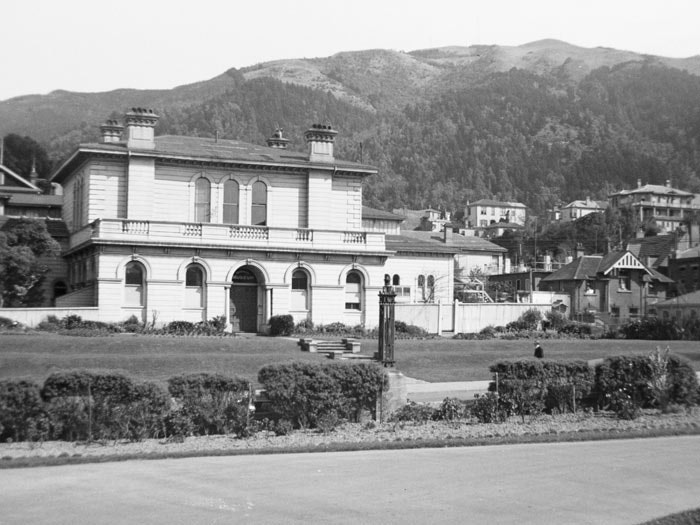
The tiny Colonial Museum opened in a purpose-built building on Museum Street, shortly after Parliament moved to Wellington in 1865.
Discover how we came to be, from the opening of the Colonial Museum in 1865 to Te Papa today.
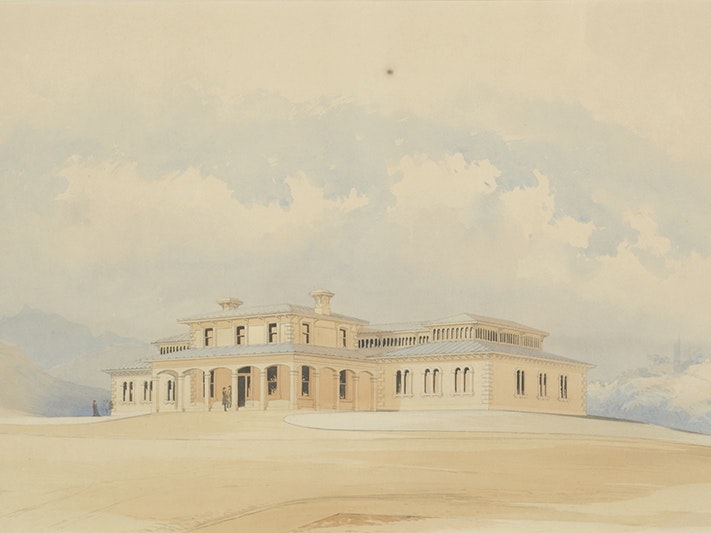
The tiny Colonial Museum, Te Papa’s predecessor, opened behind Parliament’s buildings shortly after Parliament moved to Wellington in 1865.
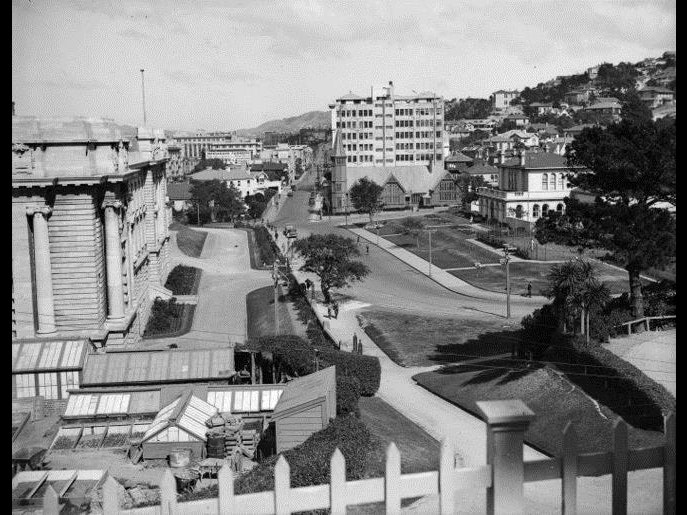
In 2015, History Curator Kirstie Ross took a walk down to where Museum Street was – once the address of the Colonial Museum .
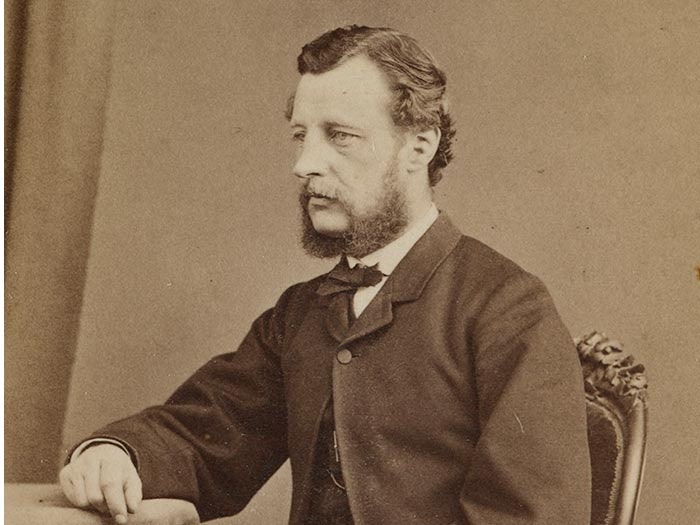
Born in Scotland, Sir James Hector was the first Director of the Colonial Museum and Geological Survey and held this position for almost 40 years.
Caring for taonga can involves provenance research, restoring connections, record updating, and a variety of skills to uplift and hold the stories and histories in the Te Papa collections.
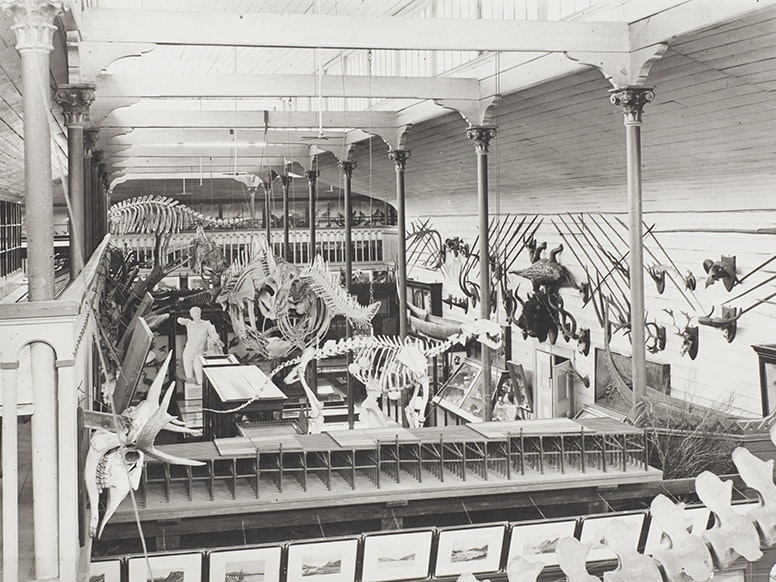
This project seeks to ensure that all taonga Māori collected during James Hector’s directorship at the Colonial Museum have their provenance and associated information reconciled with their current registration numbers, and therefore made available to our visitors and those connected to them.

Our national museum’s history began in 1865, and early documentation wasn't as thorough or careful as it is today. Curator Mātauranga Māori Amber Aranui takes us back to this creatively documented time and what it means for tracking our collection items.

Master’s student Manon Verdello worked with the Mātauranga Māori team on the Acknowledging our Colonial Past project. A part of her work was reconciling the original collection records from the 1860s to the current collection database. Here, Manon describes how she went about it and some of the challenges she faced along the way.
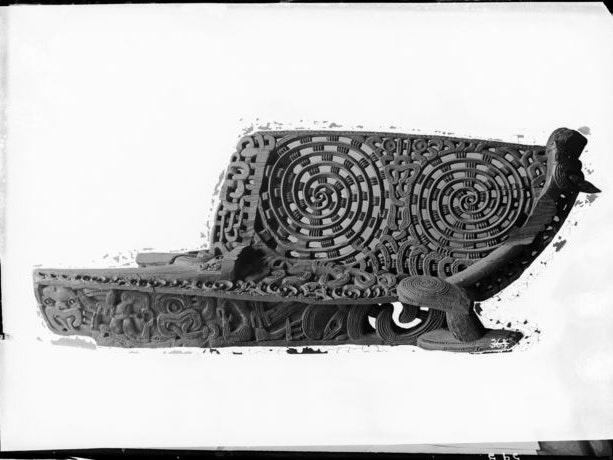
Una Dubbelt-Leitch spent four months working alongside Amber Aranui as part of the Acknowledging our Colonial Past project. Her provenance research contributed significantly to understanding Te Papa’s taonga Māori collection, a large proportion of which is currently unprovenanced.
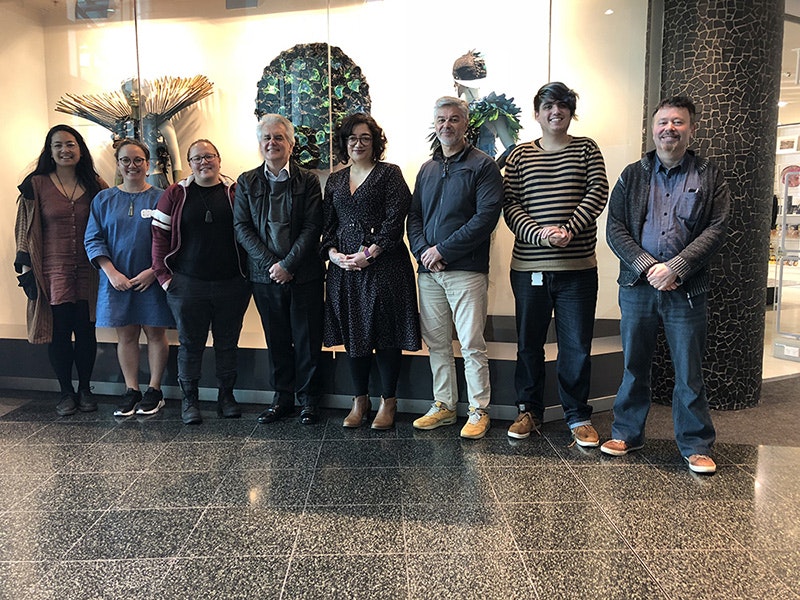
Sustainable indigenised practice in colonial museum models – is there such a thing? Kaihāpai Mātauranga Māori | Head of Mātauranga Māori Puawai Cairns explores this question in this adaptation of a speech given in 2019.
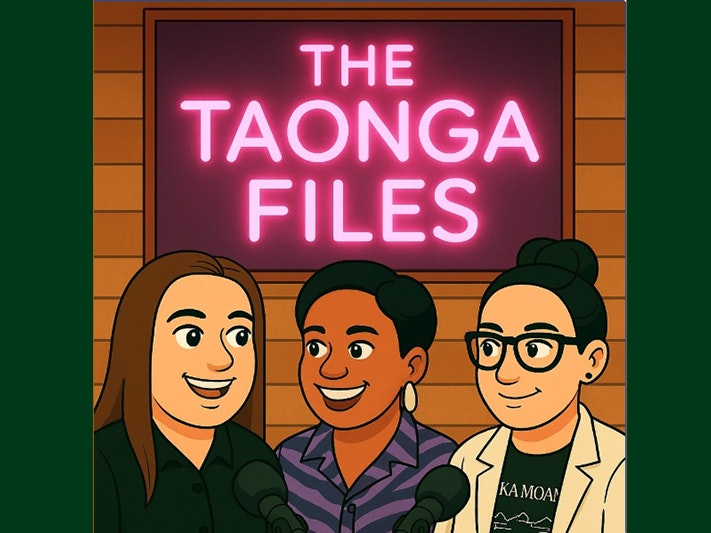
The Taonga Files by Curators Dr Amber Aranui and Migoto Eria, and Dr Monica Tromp is a podcast about provenance research – the detective work of uncovering the histories of taonga Māori held in museum collections. Each episode explores how research reveals not only what sits on museum shelves, but how those taonga arrived there, and the stories they carry.
This link will take you to the Taonga Files podcast on RSS.com.
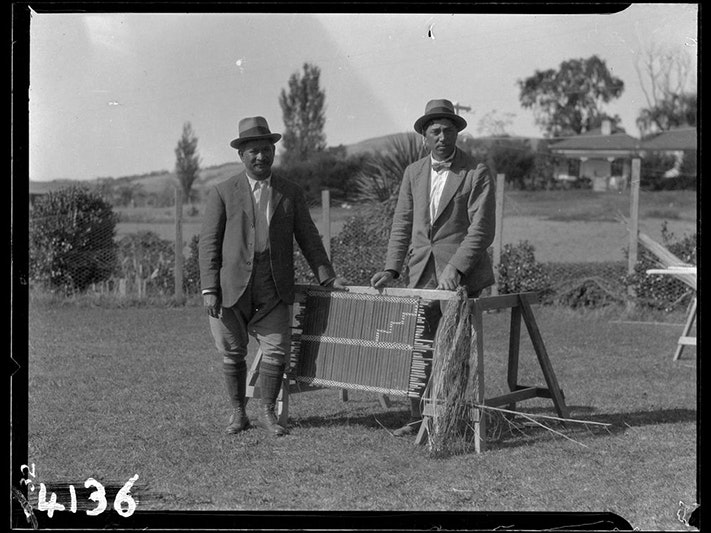
This project aims to enhance museum catalogue records and develop digital maps to contextualise taonga; enhancing their visibility and improving associated biographies, which then allows communities to utilise and share these resources, as well as support museum collections and knowledge.
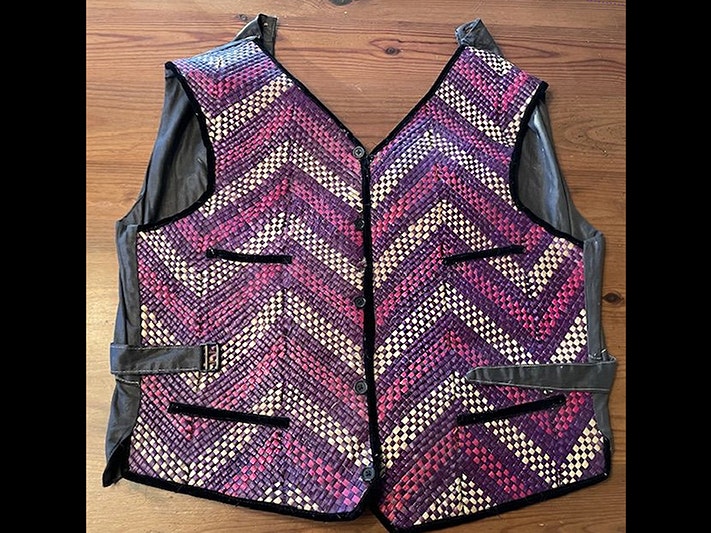
Te Papa collection manager and kaitiaki taonga Moana Parata shares a story of her journey to Los Angeles to bring home a precious taonga (treasure), a raranga vest collected by Carl Freeze, an American Mormon missionary in the early 1900s.
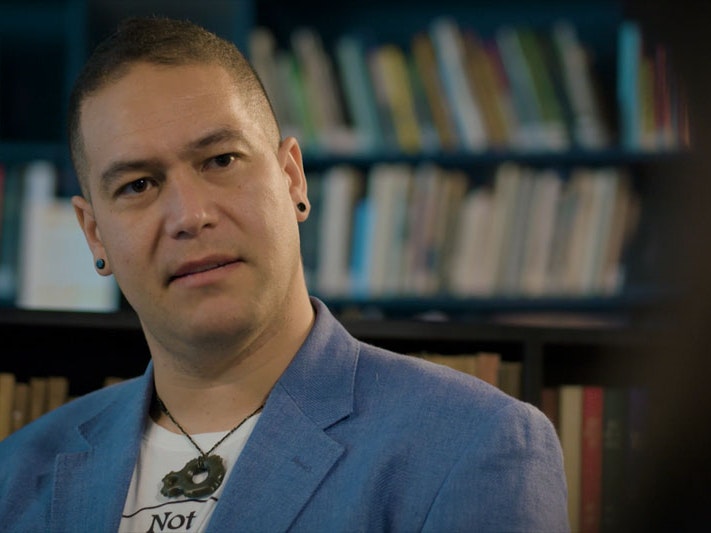
Check out some early taonga Māori in Te Papa’s collections and hear how they got to be here. Spoiler alert: It usually wasn’t a good story.
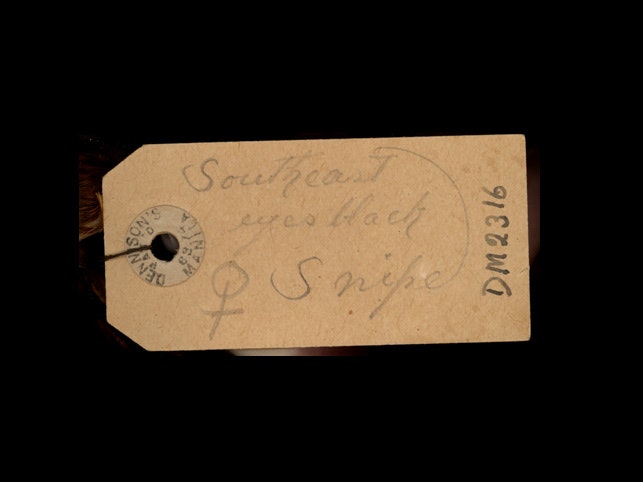
Museum curators often need to identify handwriting. In the Bird department this includes determining who wrote historical register entries and specimen labels, or who was responsible for annotations on original documents. Much of this skill is learnt on the job, and sometimes it’s also knowing when to call on the police.
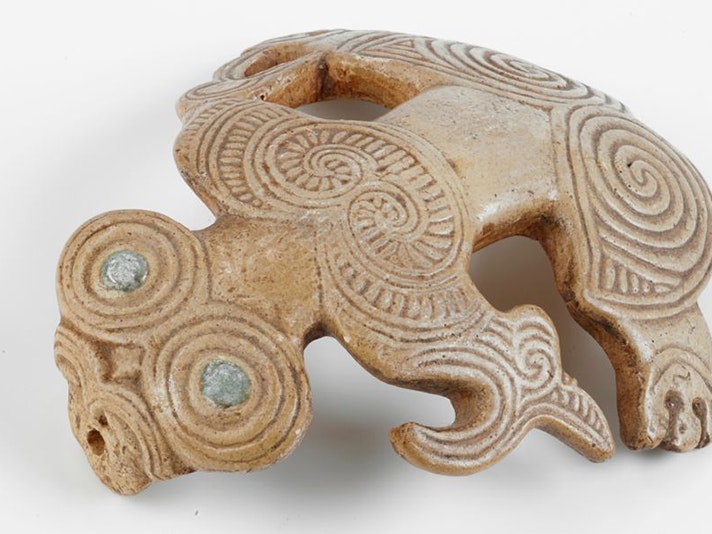
With over 35,000 pieces in the Māori collection alone, there are stories and mysteries at every turn in Te Papa, more than you can shake a tokotoko (walking stick) at. Mātauranga Māori curator Puawai Cairns digs around in the records about an item that arrived in the time of the Colonial Museum.
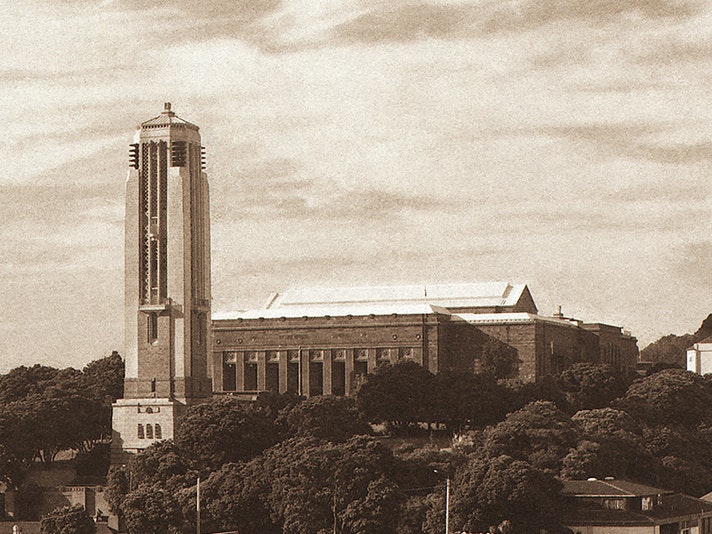
In 1907, the Colonial Museum was renamed the Dominion Museum and took on a broader national focus. In 1936, a new building opened in Buckle Street to house the Dominion Museum and new National Art Gallery. In 1972, the Dominion Museum became the National Museum.
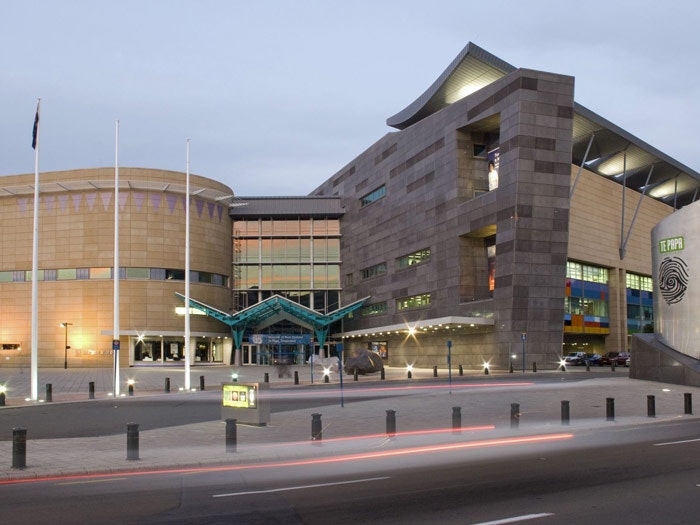
Te Papa is a landmark building in the heart of Wellington. It’s an engineering feat, rich with symbolism, and accessible to all.
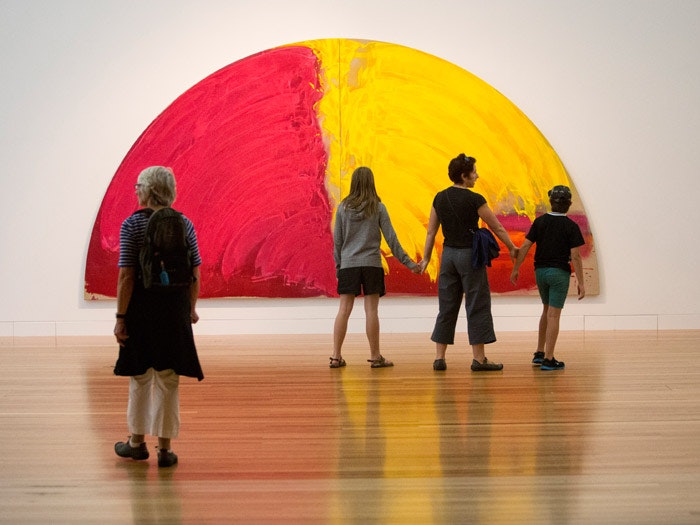
Discover the history of Te Papa and our vision for the future. Find out how we work with iwi (tribes) and structure our organisation, and download our annual reports.